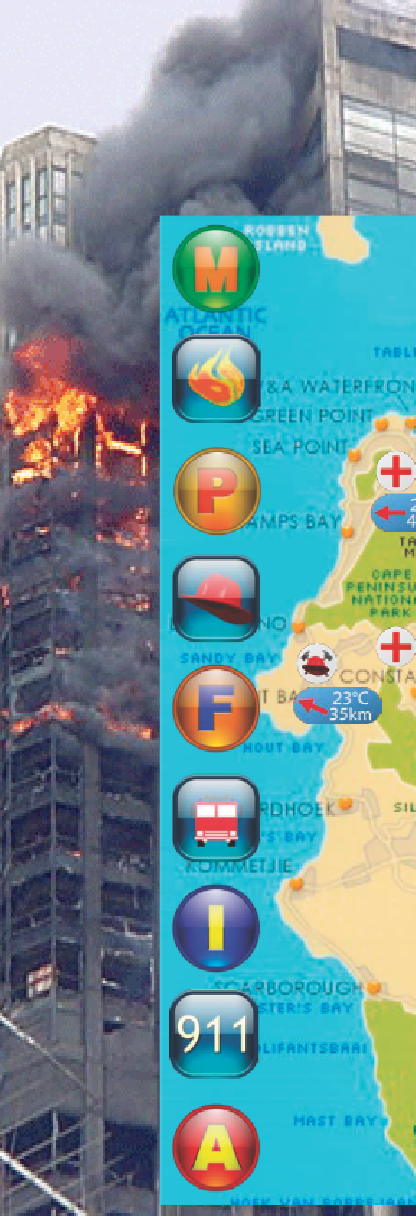
iESCAMS is a state of the art monitoring and control system for any type of emergency services centre, such as Fire Stations, Civil Defence Control Rooms and Security Monitoring companies. Its primary use is the monitoring of multiple remote sites in order to alert the central monitoring control room of alarms. Moreover, it is possible to connect to systems at remote sites to get detailed information about the state of the site, including HVAC, access control, CCTV, fire detection, etc. Site plans and other information are automatically synchronised with the monitoring station. Communication with remote sites can be done by any available technology, for example, mobile phone networks, land-based phone networks, radio networks, satellite networks, etc.
CONTROL ROOM MANAGEMENT
Multiple control rooms can be networked together, allowing centralised management of the following features:
• Duty rosters
Duty rosters can be setup to schedule when staff are on duty. This can be linked to the access control system to raise alarms when staff have not arrived for duty. Time and attendance information can also be used in conjunction with HR systems for payroll management.
• Scheduled maintenance
Maintenance schedules can be configured for each site, so that regular checkups can be performed by trained staff. Maintenance reports can be submitted on the system and automatically to the site’s iBMS system.
• Vehicle tracking, dispatching and fleet management
Vehicles can be dispatched and tracked by our vehicle tracking system under the full control of the Emergency Services control room. Vehicles can be monitored to track running costs and to notify users when servicing is required.
• iBMS integration
Since the system is built on top of iBMS, control rooms will also have all the functionality of a standard iBMS system. This includes:
• Systems’ integration
• Systems’ monitoring
• Systems’ control
• Alarm management
• Scheduled maintenance
• Network management
• Facilities management
• Asset management
• Management accounting
• Automated help desk (Call centre).
DISASTER MANAGEMENT
The main systems that can be interfaced are as follows:
• Incident management
Incidents are either automatically created when a remote site reports an event to the central monitoring system, or they can be manually captured by operators. Incident events can be captured in real time and later used to generate a report of how each incident was managed.
• Mobile control centres
Incident management can be done from the central control centre as well as from mobile control centres. Although the mobile control centres can communicate directly with the remote sites, they are also linked to the central control room for ease of information sharing and distributed control.
• Weather monitoring
Wind speeds and temperatures can be monitored in real time by getting readings from multiple weather stations connected to the network.
• Evacuation management
Although evacuation of large buildings would usually be initiated by on-site personnel, this functionality can be taken over by the emergency management team when they arrive at site that is using iBMS. Integration with the access control mustering system can assist in locating trapped occupants and speed their safe evacuation.



• iBMS compatible
Users of the system can quickly connect to remote sites
in order to view the current state of the site, as well as historical data.
The site plans and location of all equipment can be viewed. This information includes HVAC, access control, fire detection and suppression, CCTV, electrical management, etc. All access to the remote site is controlled via password controlled user access levels.

The home of software solutions, ideas and innovation